Inspiration From Within

内側から生まれるもの

A Spring Series, 2025

Glimpse

ふと見えた暮らし

Nippori, Tokyo
Nippori, Tokyo

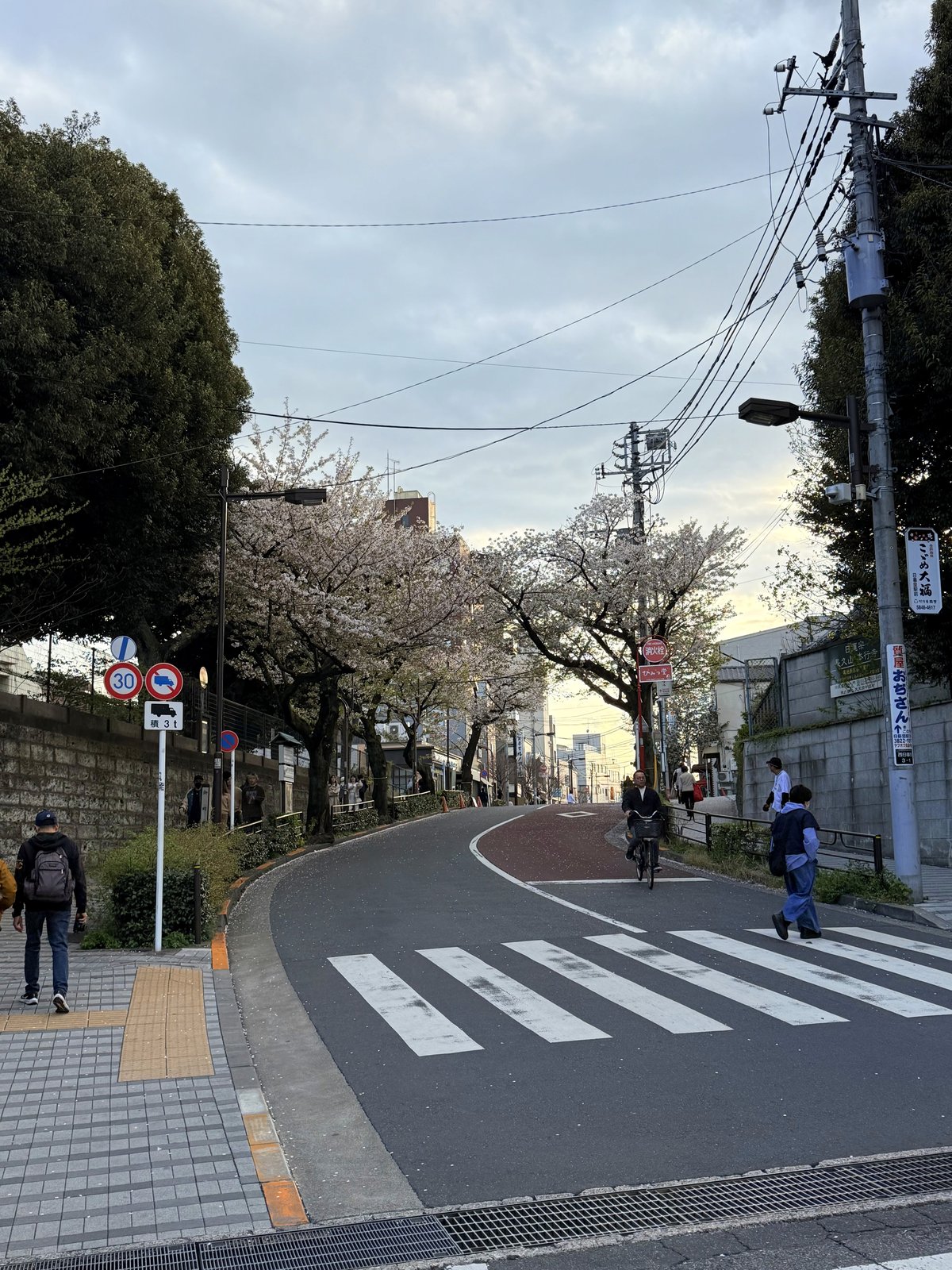
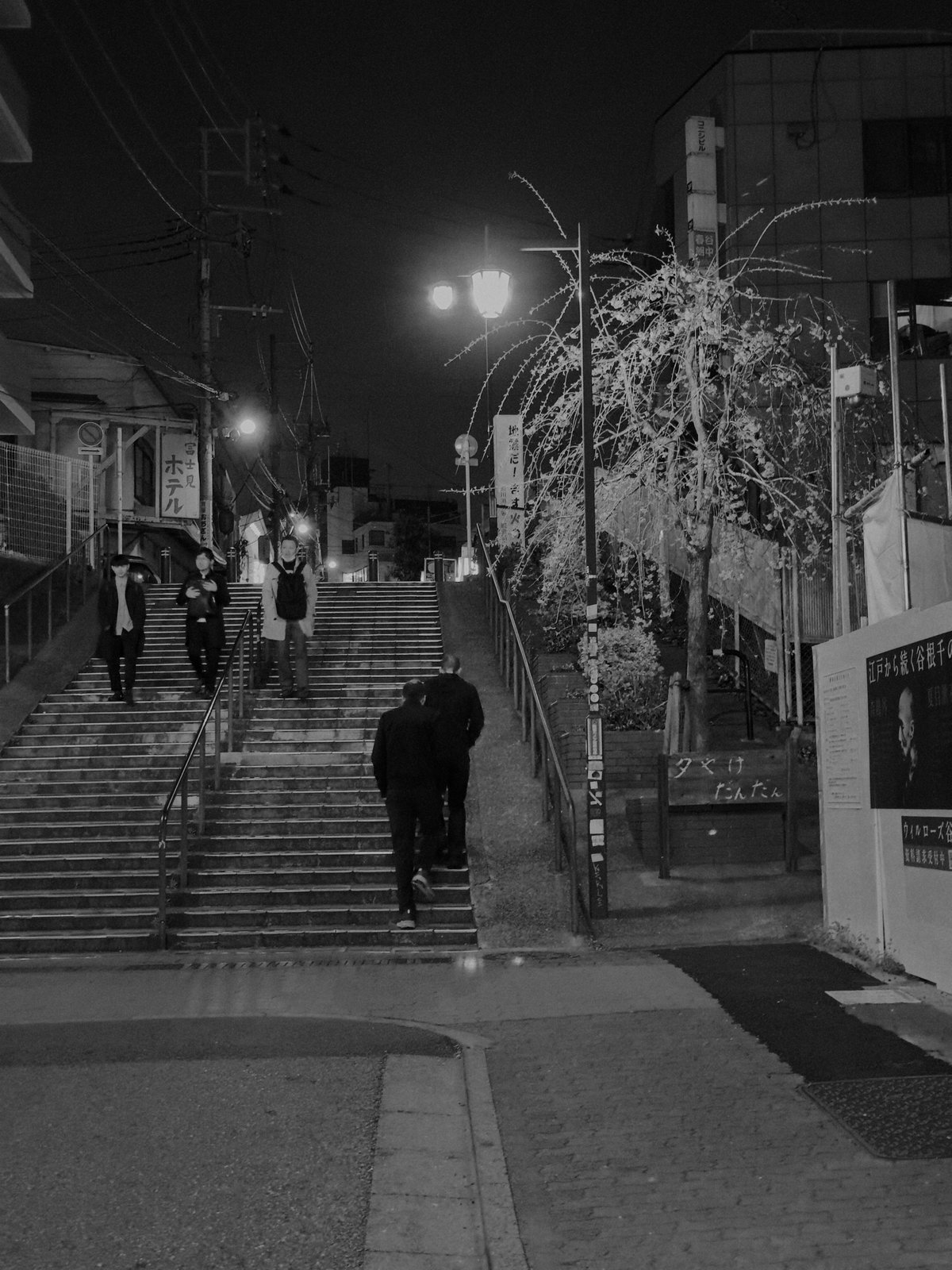
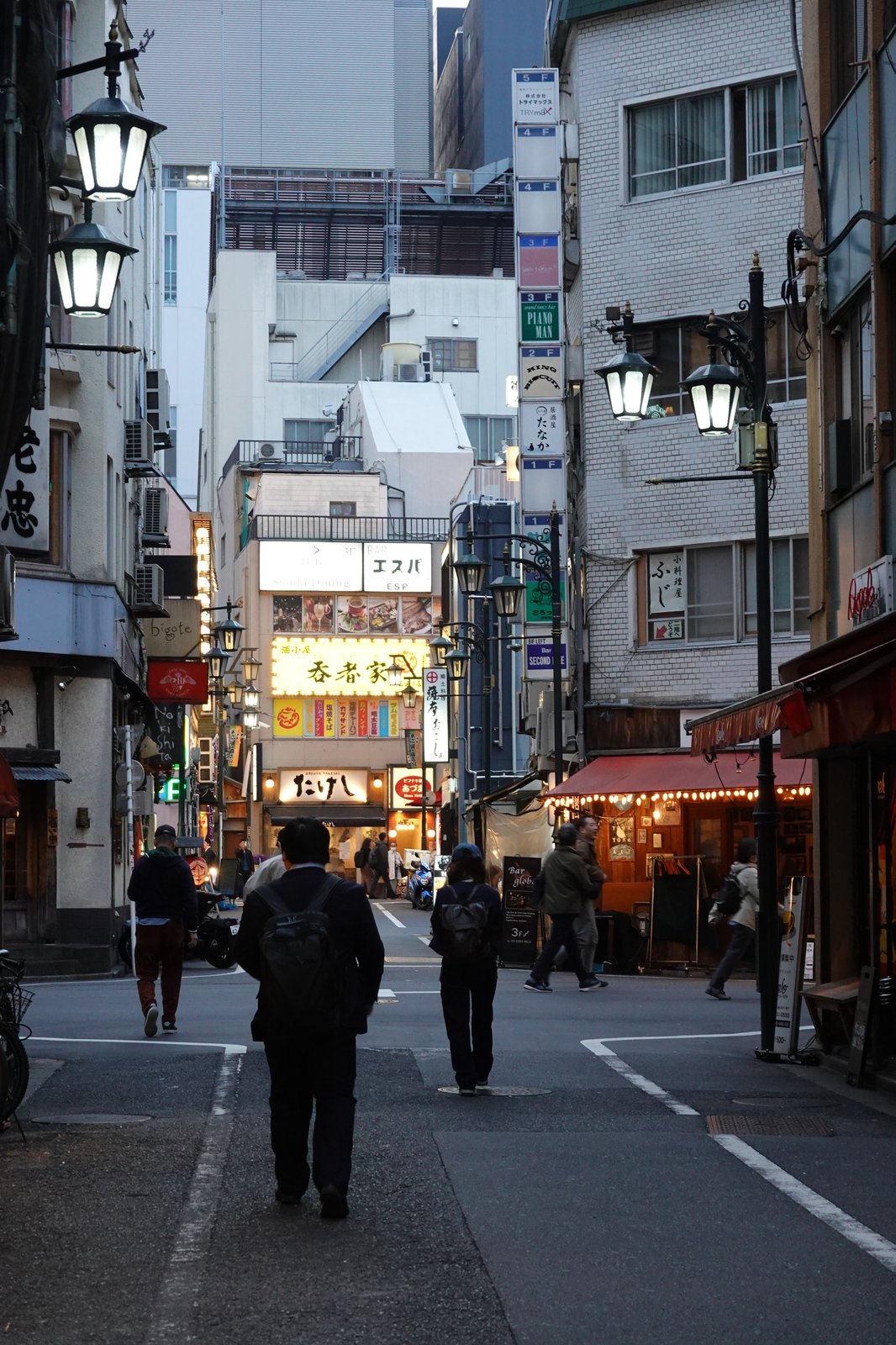
After an hour ride on a Keisei Skyliner, we got to Nippori, Tokyo. A cozy, quiet, and calm little neighborhood filled with down to earth people.

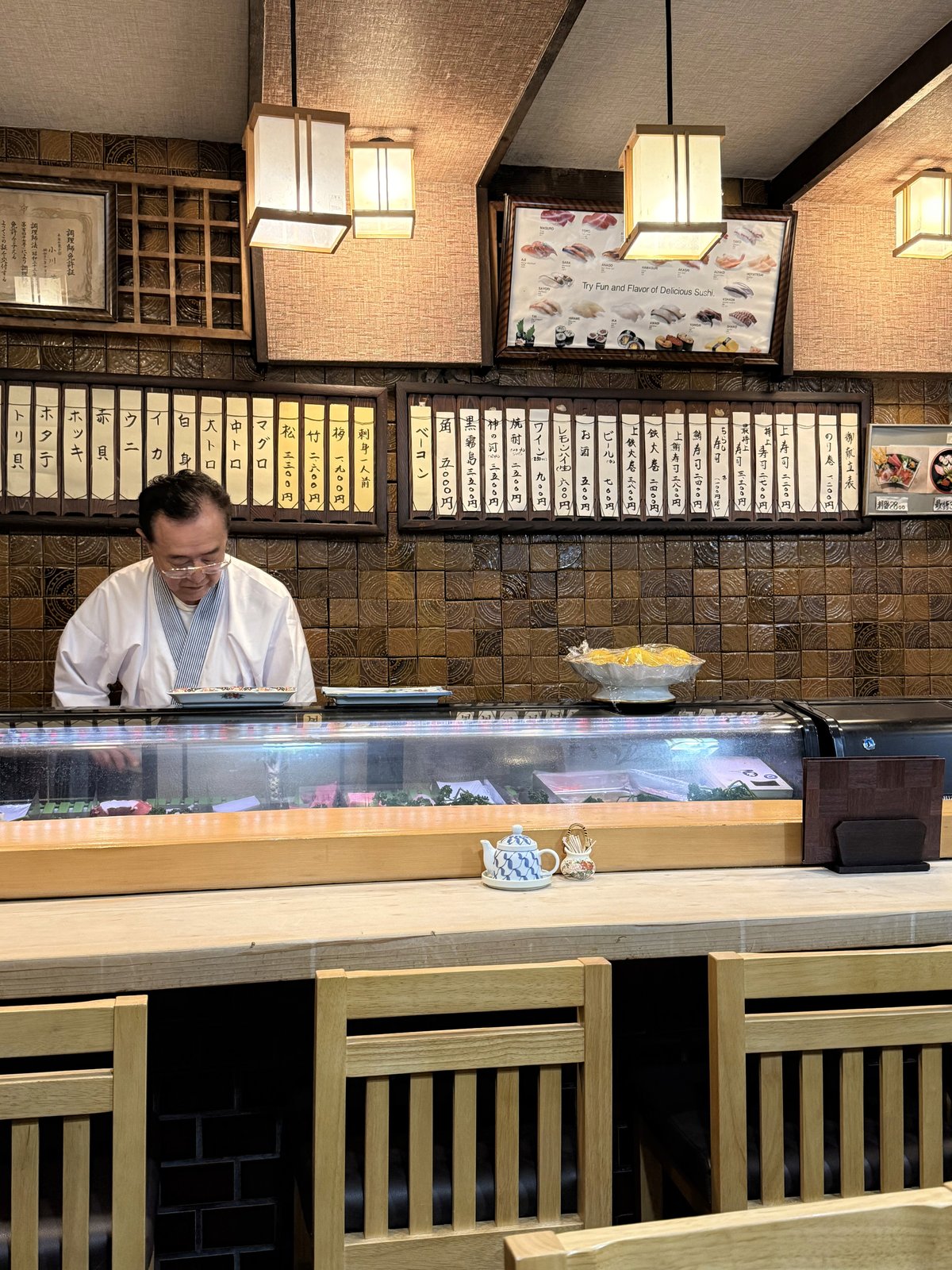
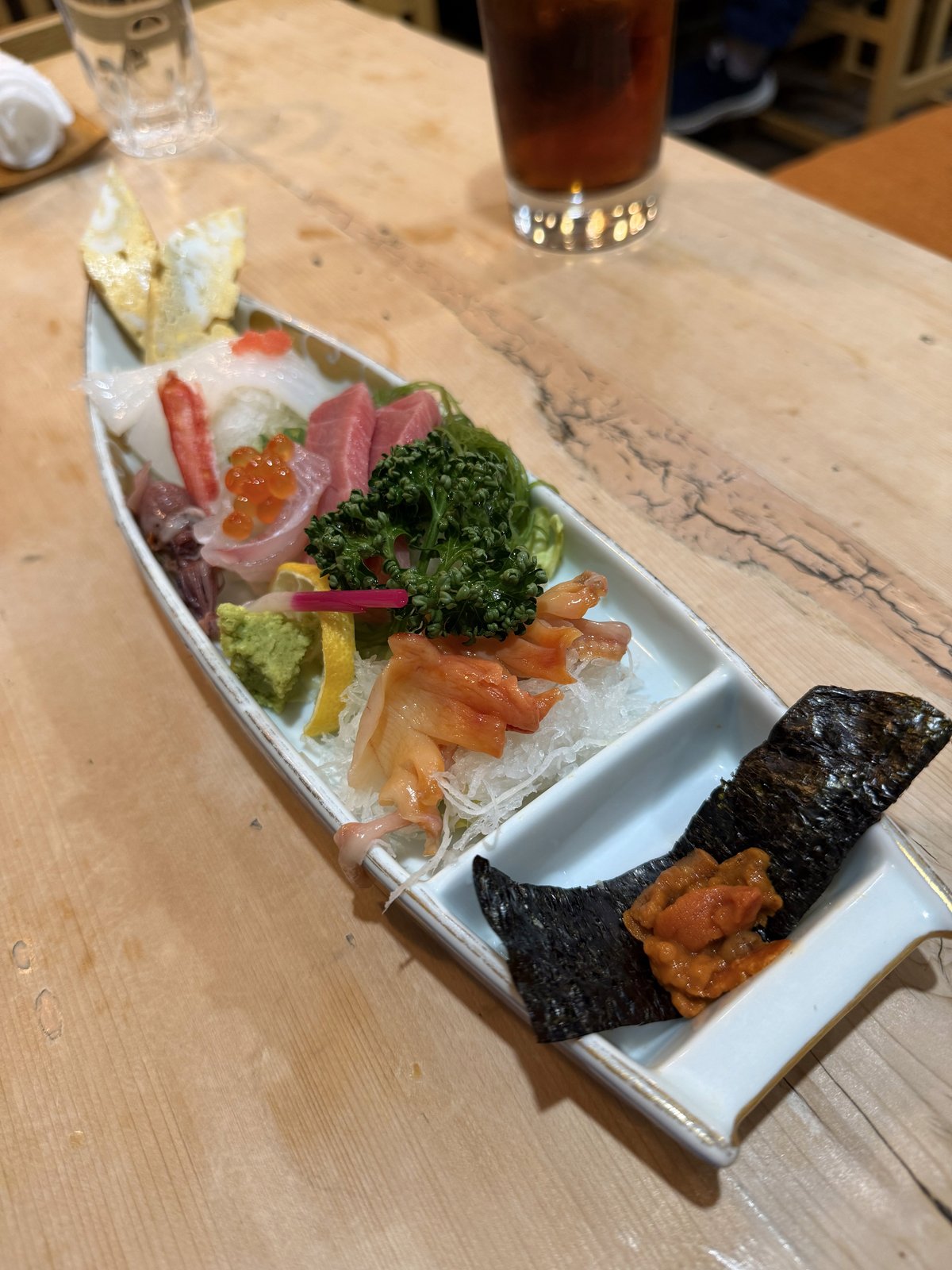
Not having any concrete plan, we looked up nearby restaurants for dinner and went into a little one-man sushi place called Ko Sushi. The most unassuming but fresh sashimi followed by a grilled salmon, it was a good start. Once we felt more settled in, we chatted a bit with an old guy with the kids living overseas in -guess what- Seattle and Florida.

I already had a little glimpse of life here.

Random note: I also spotted the branches of my barbershop chain!

Nippori street Nippori scene
Nippori neighborhood

An Interesting Mix

興味深い混ざり合い

Ueno/Shibuya, Tokyo
Yanaka neighborhood Cherry blossoms

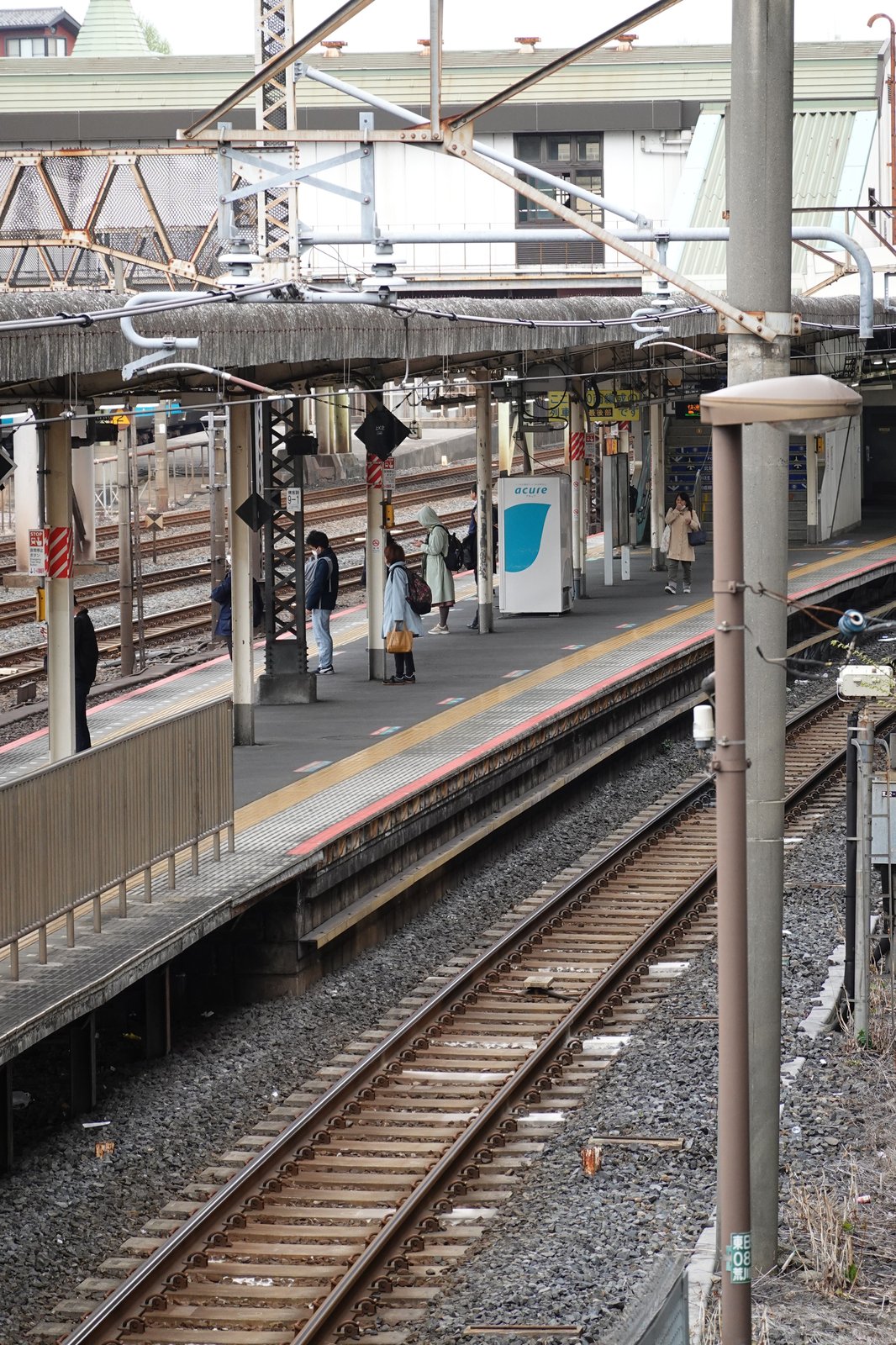
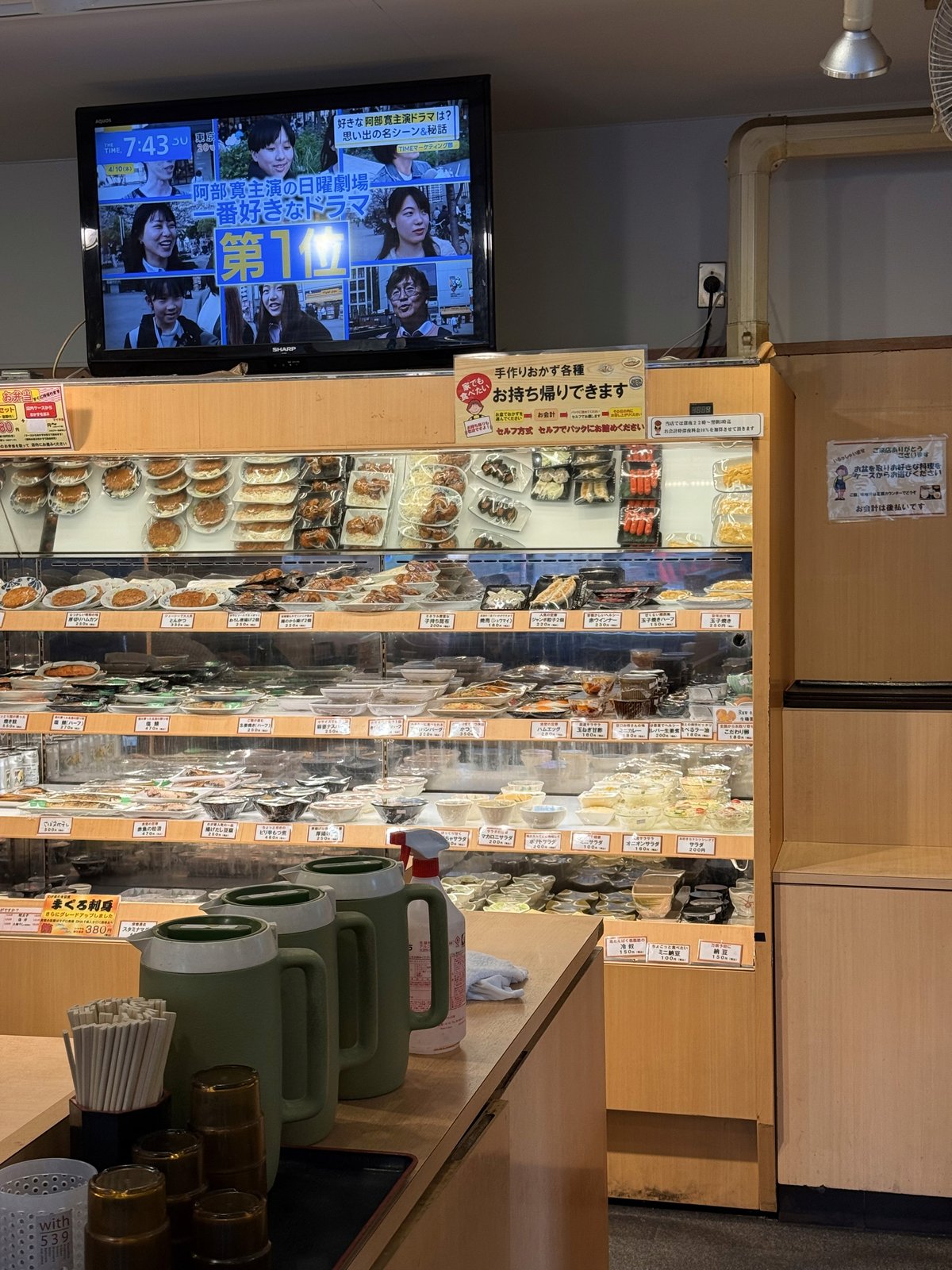
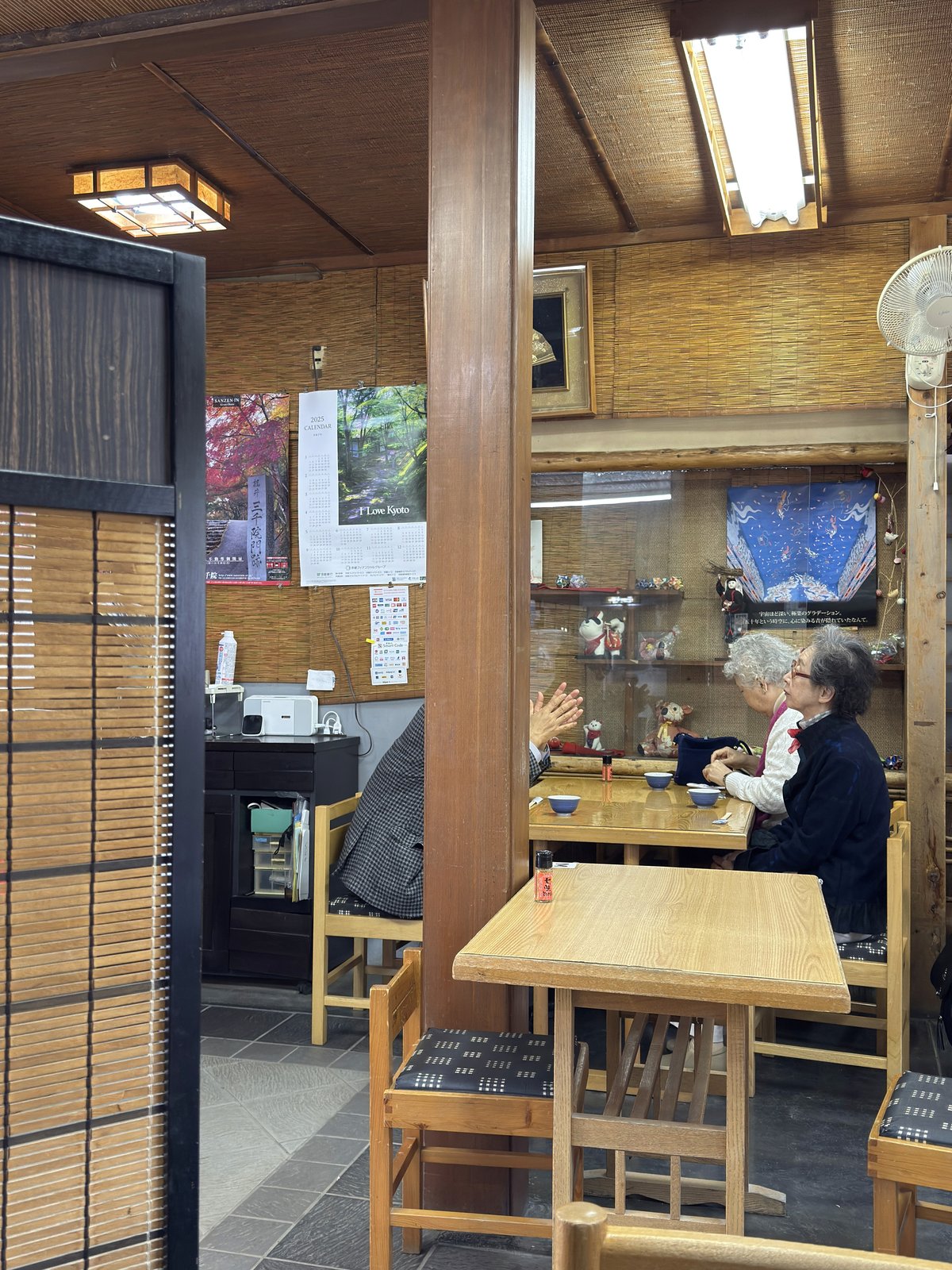
We started by walking around the neighborhood. The Yanaka side of Nippori has a big cemetery filled with cherry blossom trees, and we strolled through its little roads as people were starting their day. Past the pedestrian bridge overlooking the tracks of Nippori Station, there's a small shokudo (casual dining) breakfast place called Wagaya no Shokudo. People close to me would know well that I generally prefer totally average, simple restaurants that are far from fancy or anything. This one was exactly that. It just felt so natural coming back to the culture and cuisine of eating rice and soup with some small side dishes.

Filled up with energy from some rice, we walked along the streets to get to the Ueno neighborhood. We quickly stopped by a cafe and watched people going to school or work before heading into the Tokyo National Museum. Kids going to school, people going to work or stopping by a shrine for their morning — wherever you go, people live through their life, but the fun aspect of traveling is that you now get to observe those seemingly ordinary routines through a different lens.

Museum is a great way of understanding the background and history. The museum was quite impressive but also big, so we only browsed their main ancient collection. Probably an epilogue of what I'll encounter through the trip, it was evident that they had a history of continuously embracing outside culture and knowledge by infusing their own philosophy and interpretation into it. Of course I knew all that already, but seeing it echoes a bit differently. They didn't shy away from the fact that they were heavily influenced by Chinese and Korean ancient culture, and it actually encouraged me to look at the unique take of themselves in different elements.

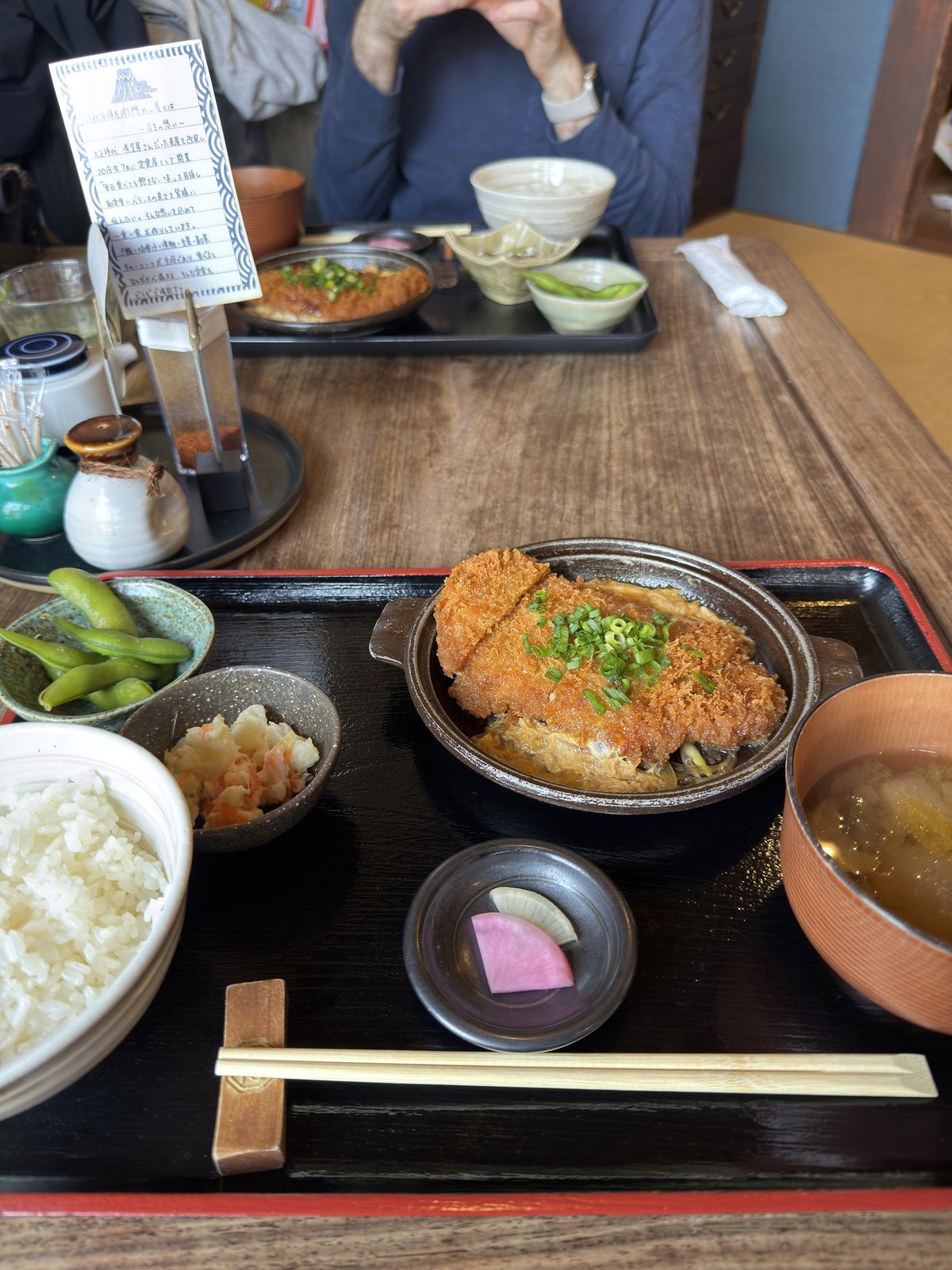
The sky finally cleared as we headed out for lunch, and we almost randomly found a tonkatsu rice place called Denzaemon and walked there. This was when I started mainly speaking Japanese when interacting. Still fumbled a bit by probably saying Hitotsu three times for the same menu instead of Mitsu, but it's a start. What I like about these local small places is the intention and effort you see everywhere. A little paper note about how they renovated an old house to continue a small part of local history becomes a nice furikake over your tonkatsu rice.

Tonkatsu lunch

We continued exploring by going to Meiji-Jingu Shrine, and honestly I was a bit speechless at how vast the shrine was — right in the middle of one of the most bustling neighborhoods in Tokyo! It was such an interesting space at the intersection of old, nature, spirituality, and modern society (it's in Harajuku filled with stores and more) that was uniquely Japan but also quite common in Asia.

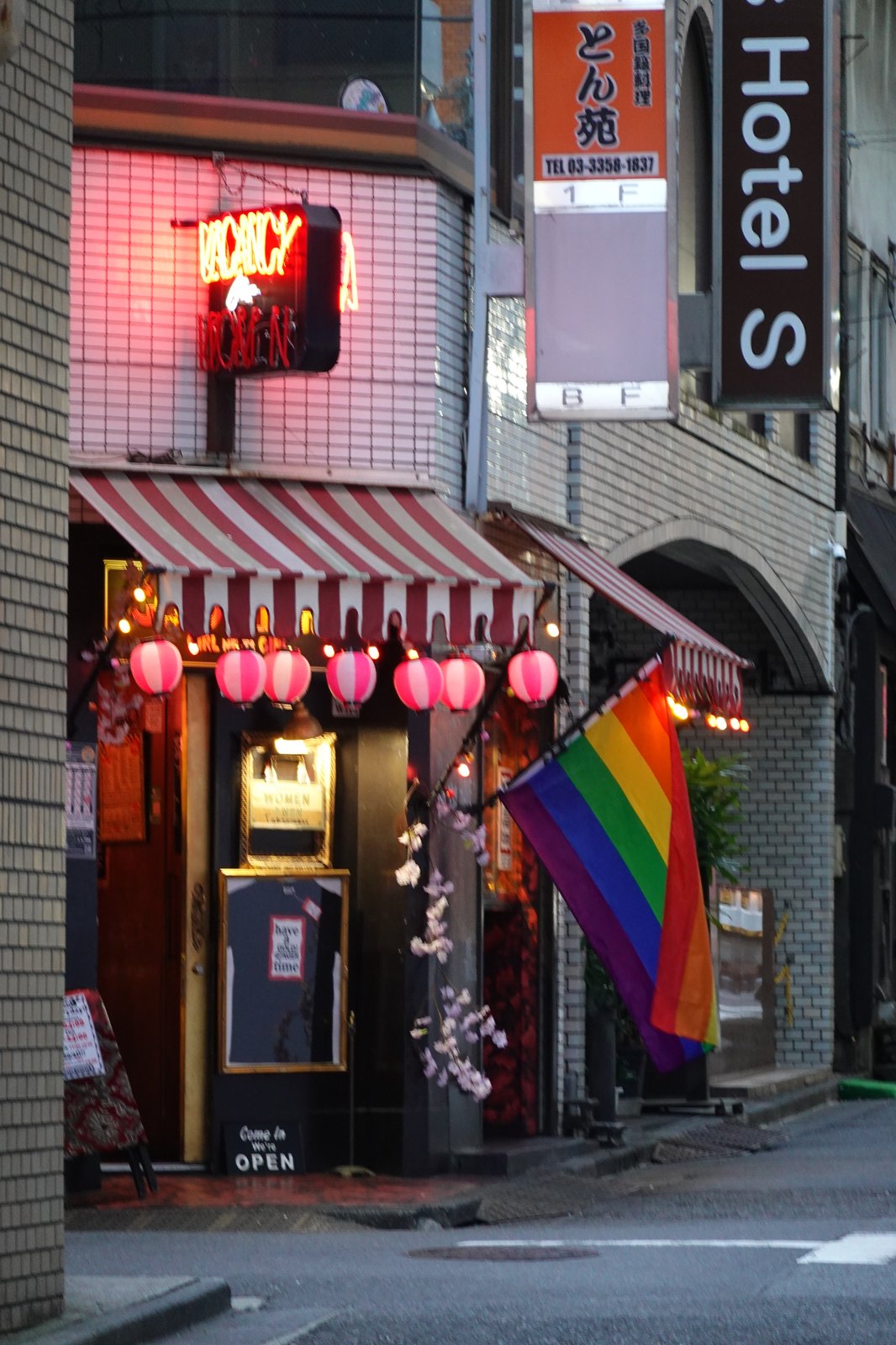
From the surreal experience of Meiji-Jingu, we traveled just a little bit to Shibuya (essentially the same area) but not the scramble crossing. Walking through some streets, our destination was Ni-chōme (2-chōme), known as the LGBT neighborhood. The whole time getting there I was thinking it might be tucked away from the main streets, but I got it totally wrong. It was right in the middle of everything, where bookstores and bars had prominent presences and everyone was just there. Japanese societal culture has quite fun dynamics when it comes to diversity — blending into a group and hierarchical structure is a quintessential core, yet they also respect individualism within that rigidity. It's a tricky balancing act that often gets overshadowed by the aforementioned rigidity, but Ni-chōme was more than enough to understand that odd and interesting coexistence of two different dynamics.

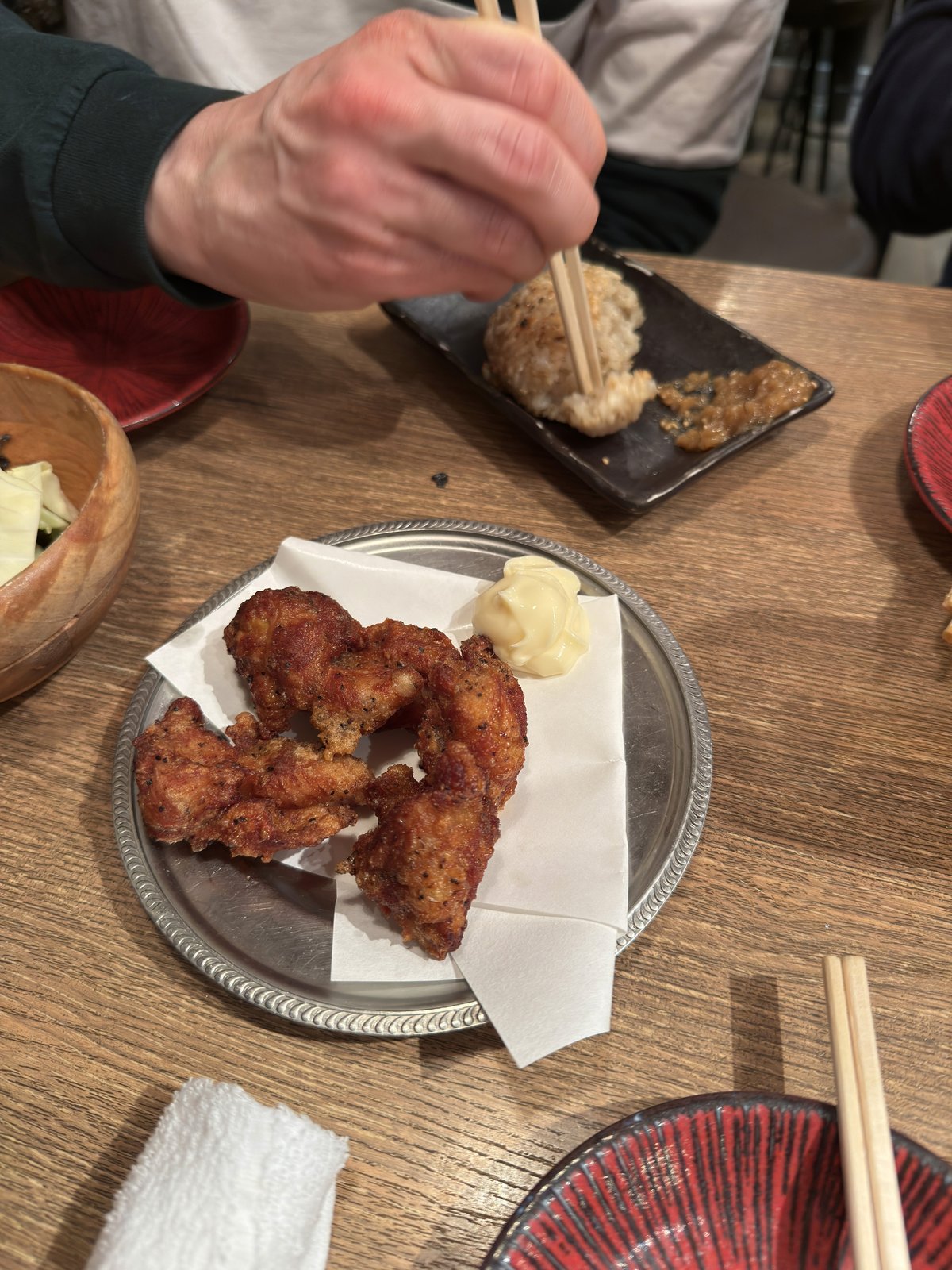
And what better way to end a day full of interesting discoveries than with yaki-ton in Shibuya, surrounded by other local guests?

Shibuya Ni-chome Yaki-ton Evening scene

Genuine Efforts

誠実な努力

Everywhere, Tokyo

While spending few more days in Tokyo, I had a few different experiences that somehow shared something in it. This is a compilation of those experiences and observations.

Stations
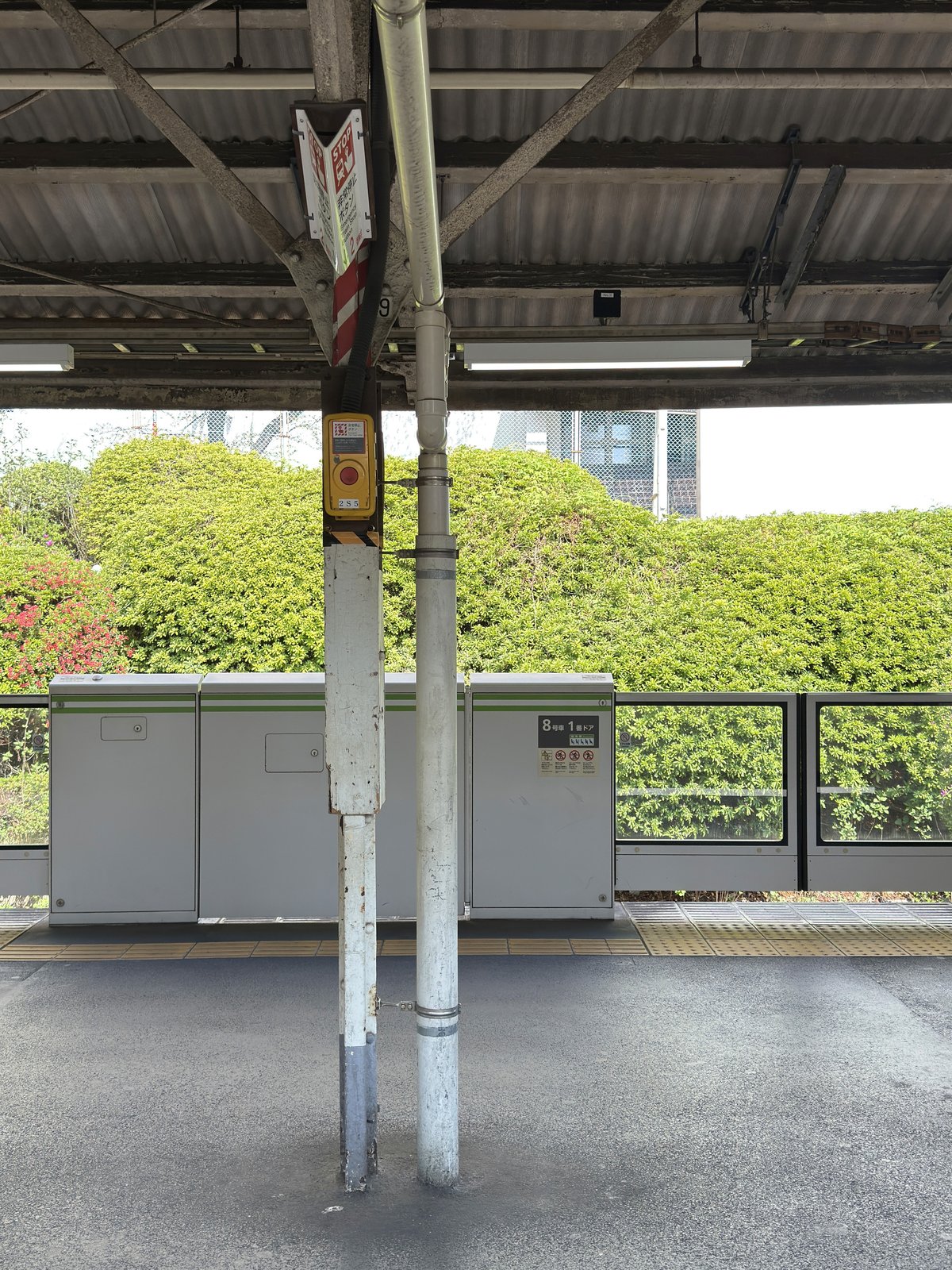
Subway station

The subway car door opened at one station on our way to Shibuya. In those few seconds, I saw outside and there was a bush of green leaves flowing along with the breeze as the melody played for the impending departure. I snapped a photo, knowing somehow this scene would be one of my favorites.

The worn-out pillars and the soulless sound of urban life… but the lively green leaves dancing with the fresh breeze as if certain simple things always persist around. This is how I started feeling about the life and society here and now that feeling lives in this photo. And that moment would never be replicated.

Another breakfast place

On the last day in Nippori, I went to a different breakfast place before heading down to Kyoto. Lots of Japanese restaurants showcase their ingredient sourcing, but "Hagiso" did more. They prepared a folded paper that not only listed the ingredients and their origins but told a little story about each dish on the plate. The degree of sincere intention and effort was once again inspiring to me and I told them I loved the philosophy so much. They were surprised and also genuinely happy to hear that.

I brought this piece all the way back home and it's now on my desk.

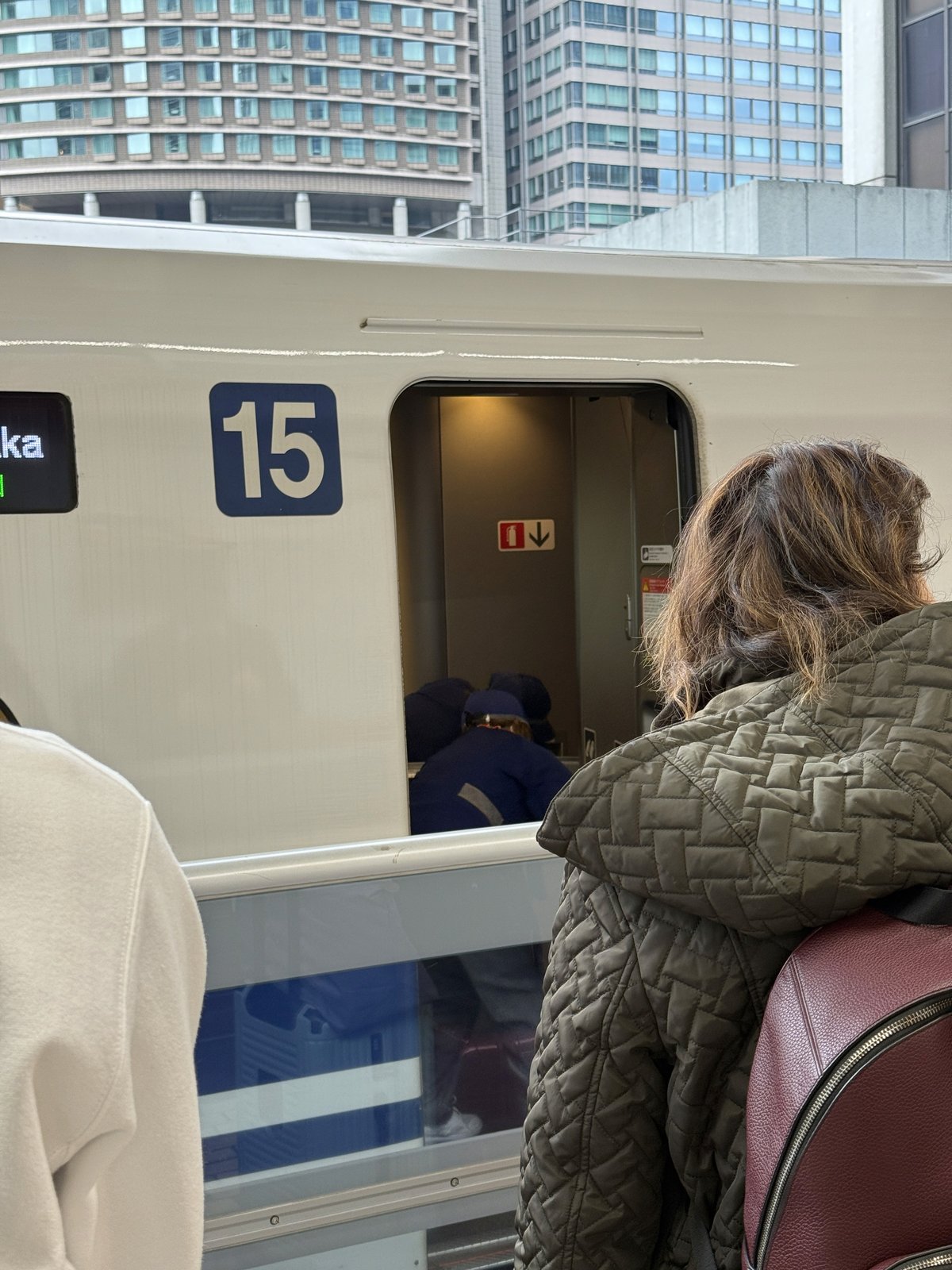
Shinkansen cleaners

Me and my parents were now headed to Kyoto and waiting for our Shinkansen train. (Ah, I miss you, Nozomi N700)

The train arrived, then they spent some time cleaning the cars. I could see the cleaners and they were thoroughly cleaning everywhere without throwing trash bags around or making any noise - all in uniform and gloves. As they were finishing up and leaving the train cars, they were smiling at and laughing with each other. I'm well aware of the brutal work culture in Japan as well as the pay scale. Even without touching on that subject, cleaners/janitors are generally paid less despite the importance of their labor. But what struck me was the way they treated their work. I had respect for them as I was watching them and it made me realize: respect and pride don't just happen magically.

They're built, quietly and sincerely, and found within yourself.

Shinkansen

Connection

つながり

Kyoto

Since some time ago, Kyoto has become a city full of tourists. Many takes on that but to me it brought a greater joy of discovering hidden small details, because you get to appreciate those moments more. Not every place I visited sparked something in my heart, but there were plenty that allowed me to see and feel differently over those few days…

The ryokan we stayed at was a modern take on traditional Japanese lodging and hospitality - though this doesn't describe well of their idea. It was founded and operated by young Japanese people, and nearly all of the staff we interacted with were very young as well. This later becomes an inspiration to me.

On the first night, our dinner server was a girl who spoke a bit of Korean. We ended up talking in both Korean and English about Kyoto and Japanese culture, which at first I took as an exceptionally friendly gesture, more of an outlier than the norm. It had a slightly different tone than what you might expect from the usual Japanese hospitality.

(Quick small note: I had a bottle of sake that I no longer remember the name. It had a beautiful floral and fruity aroma. Maybe one day I'll find the name again, but I've decided to leave it as a happy snapshot in my memory. Sometimes it's better to keep them just as they were in the moment.)

The next morning, a new breakfast server brought the same atmosphere. We chatted about our plans for the day and her favorite temples as she grilled local vegetables and a fish on a skewer. She also said she enjoys eating them when camping by the mountain stream in the summer. There was a life behind those conversations and something about it felt pure. Maybe it was the vegetables and the slice of duck meat that both servers accidentally dropped, I don't think so. They were professional, but also stepped toward us and made a connection.

How many times do we actually "connect" with someone in the city?

Takeda-kun

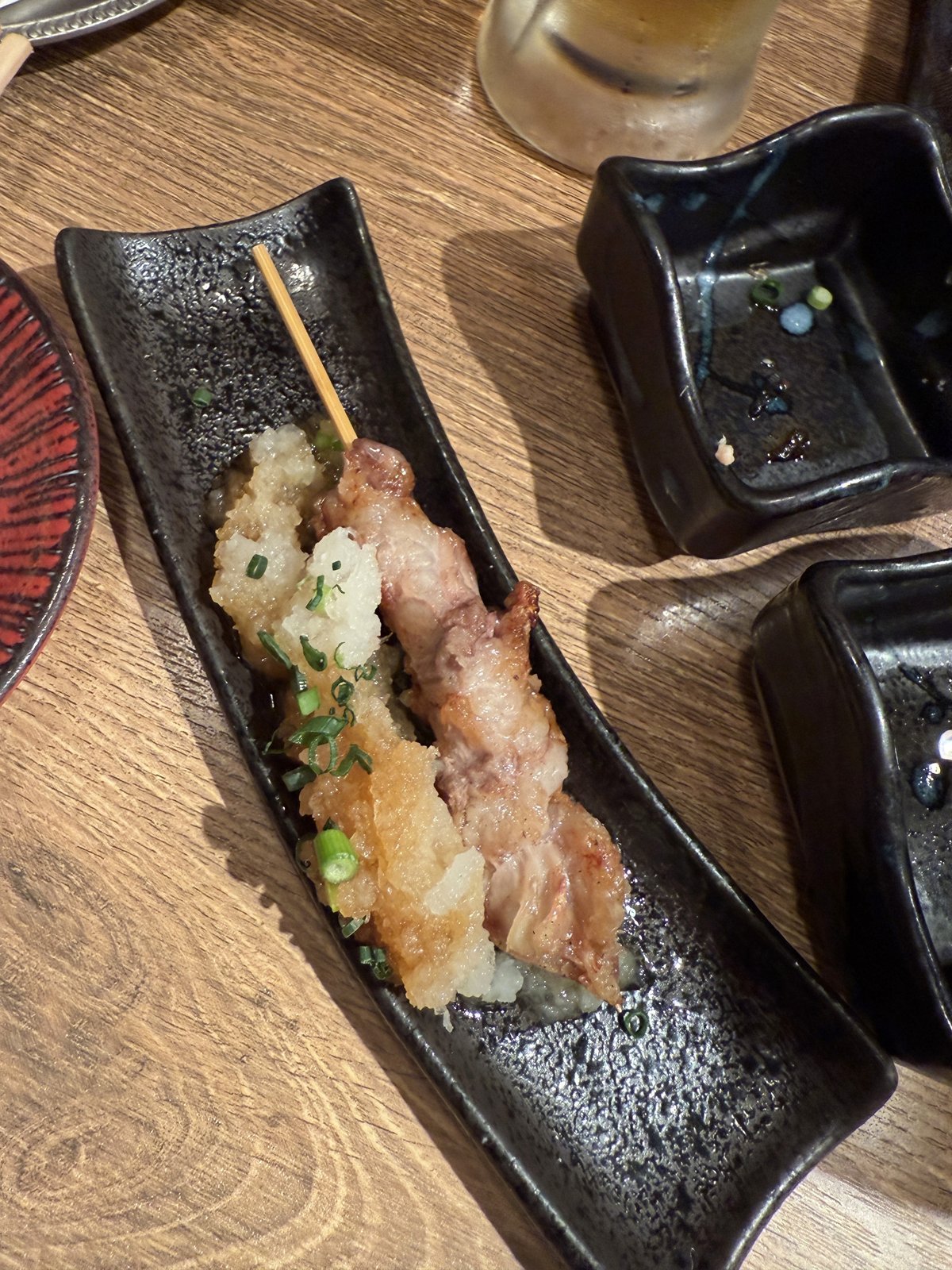
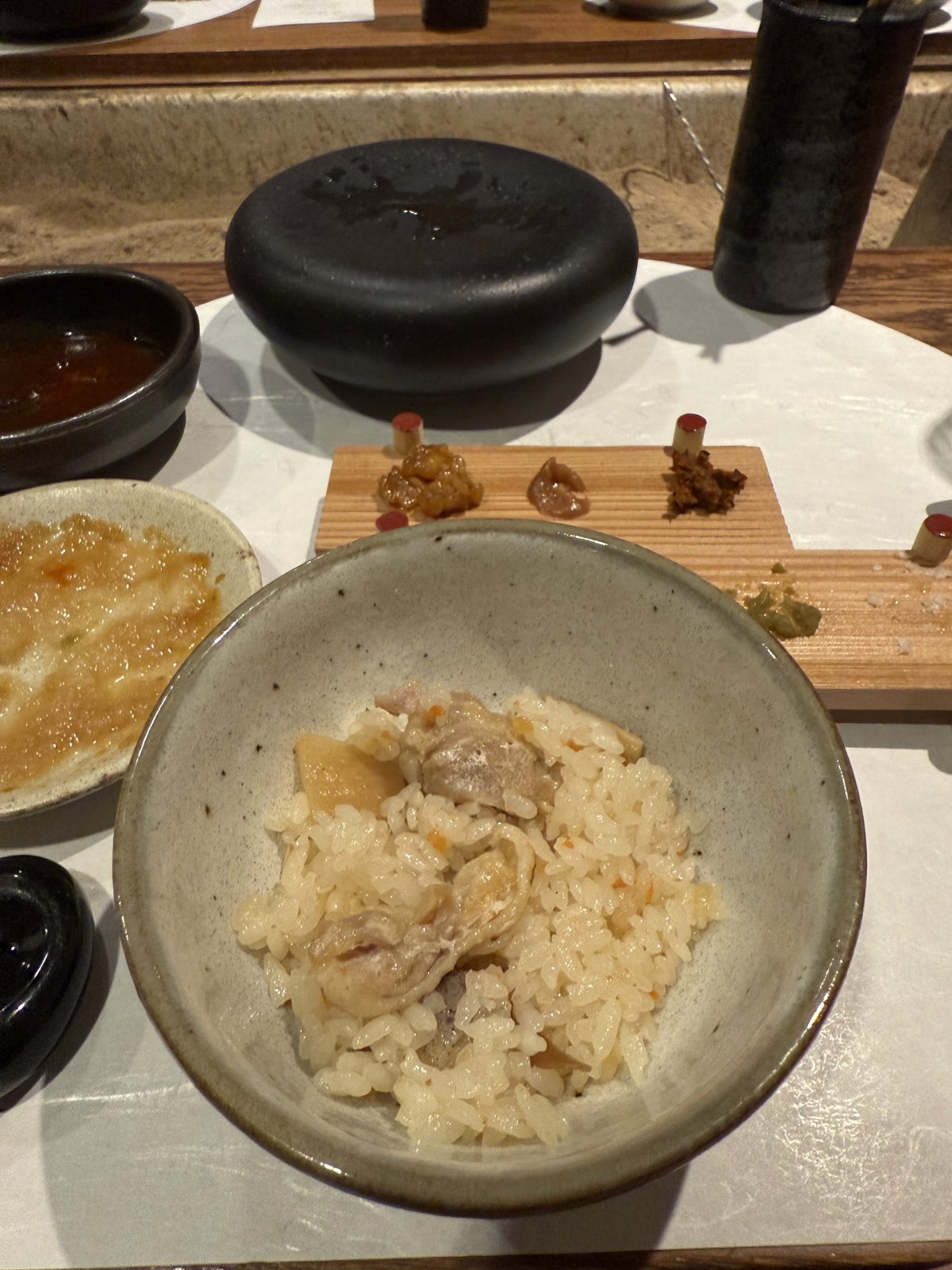
Dinner on the second day came after a long day of traveling, and we didn't have much energy left. We sat down at the table, and Takeda, our server, introduced himself. What was supposed to be another elevated yakitori dinner experience turned into a fun night filled with laughs—and I credit Takeda-kun for all of it.

He started by asking a few questions about us, and by the time he brought the ingredients for the next dish in the course, he was trying to memorize certain Korean phrases. He got one right at some point, then I heard him quietly whisper よかった ("Phew, thank god"), and I couldn't help but think—this guy's really trying.

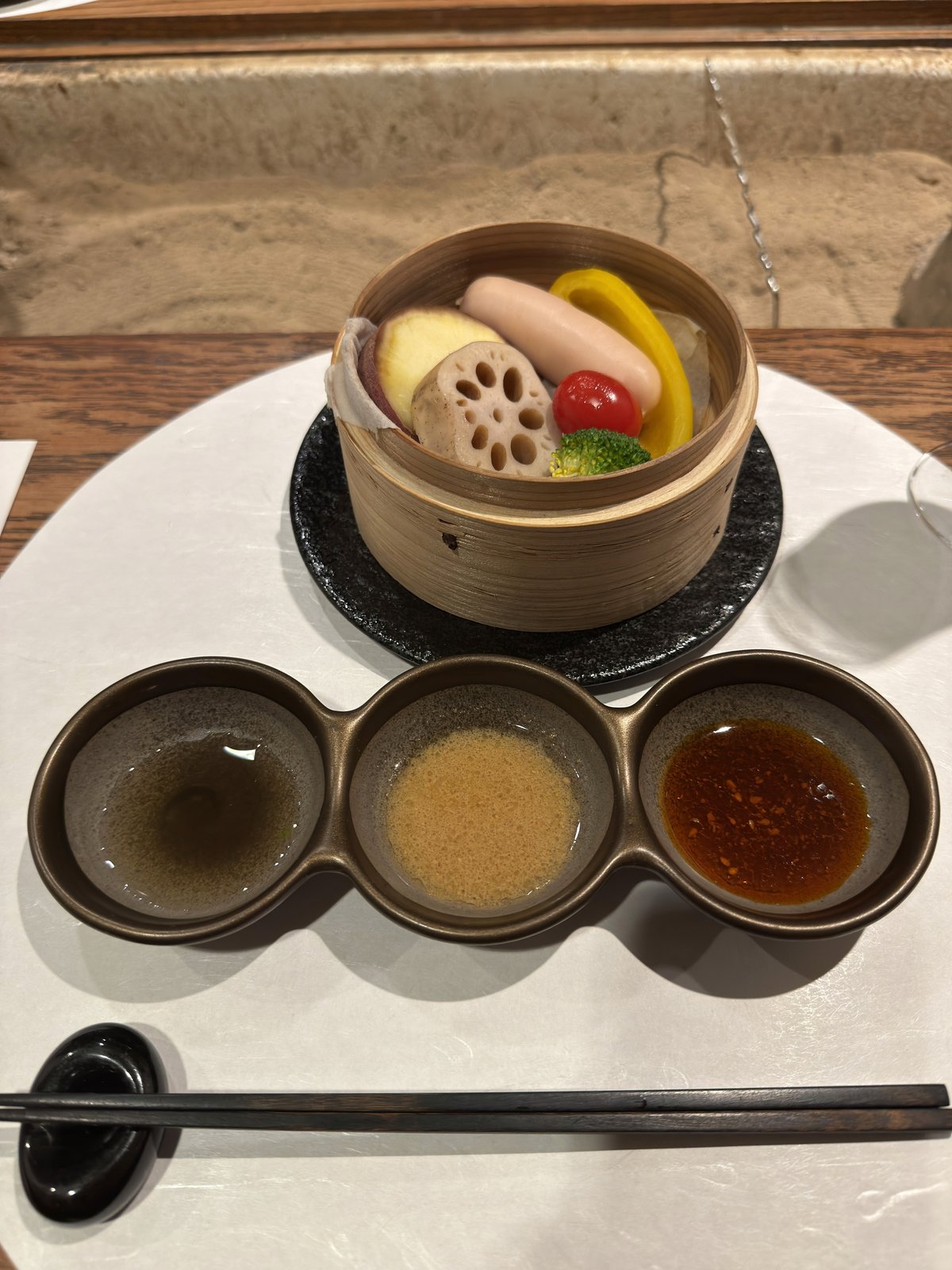
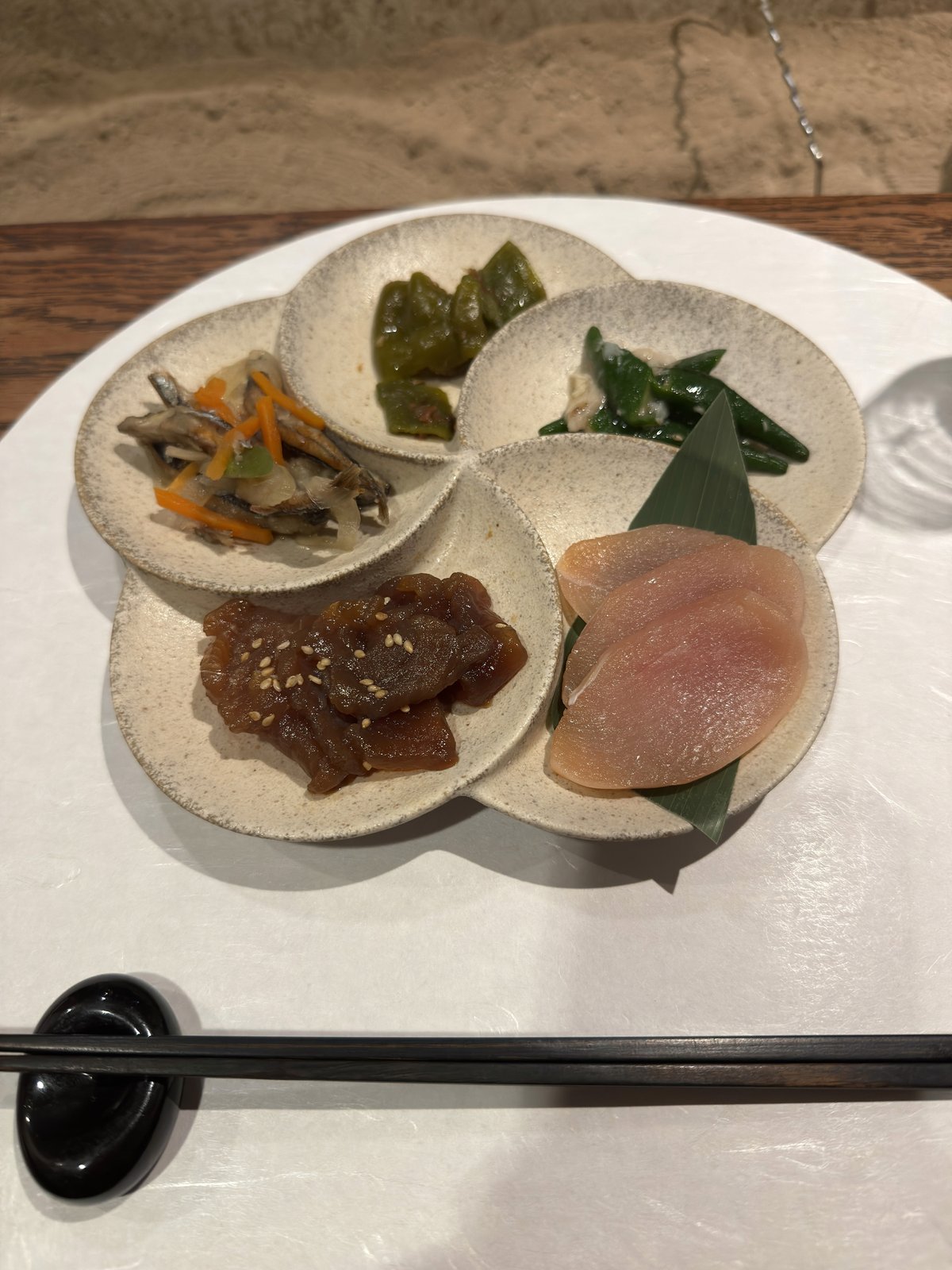
Seiro Mushi Obanzai

Appetizers: Seiro Mushi and Obanzai. I was never a fan of Okra until dining at the ryokan.

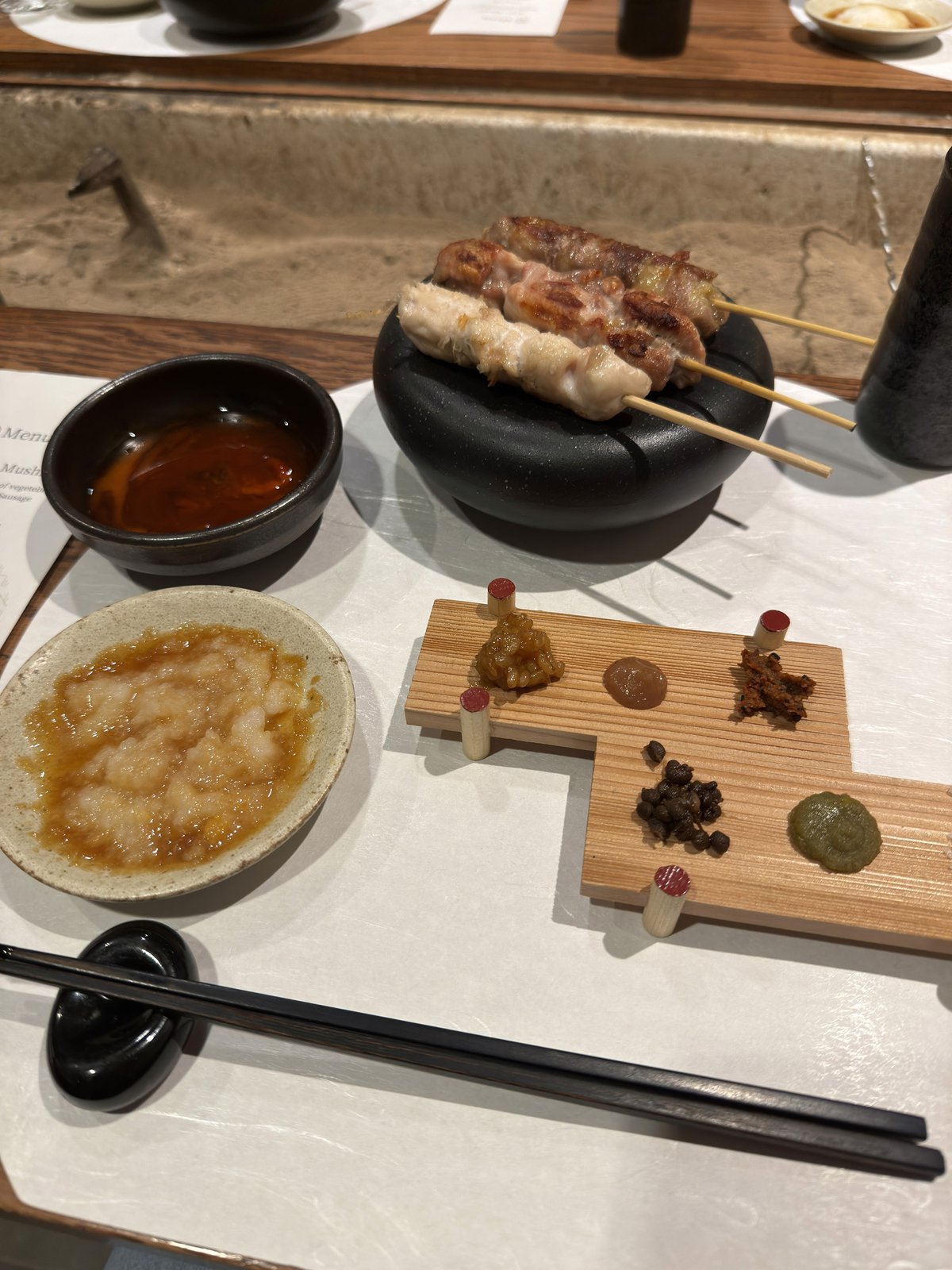
As he began grilling the chicken skewers, we ended up talking more about him. It must not have been me who initiated it, since I tend to avoid those topics out of respect for boundaries. He was from a rural prefecture that most foreigners wouldn't know (not saying the exact name here), so it surprised him when I told him I had heard of it. I casually followed up by asking if he was studying in Kyoto. He was, and he shared a bit about how rarely he could afford to go back to his hometown... not often. The train's too expensive, a car is necessary, or you'd have to take an overnight bus. Then he changed the mood a bit by revealing that the ryokan serves rice grown in his prefecture—the rice I had thought was the best I'd ever had. Hearing that while watching him grill the skewers felt like one of those moments where you get a small window into someone's life.

Yakitori 1 Yakitori 2 Yakitori 3 Yakitori 4

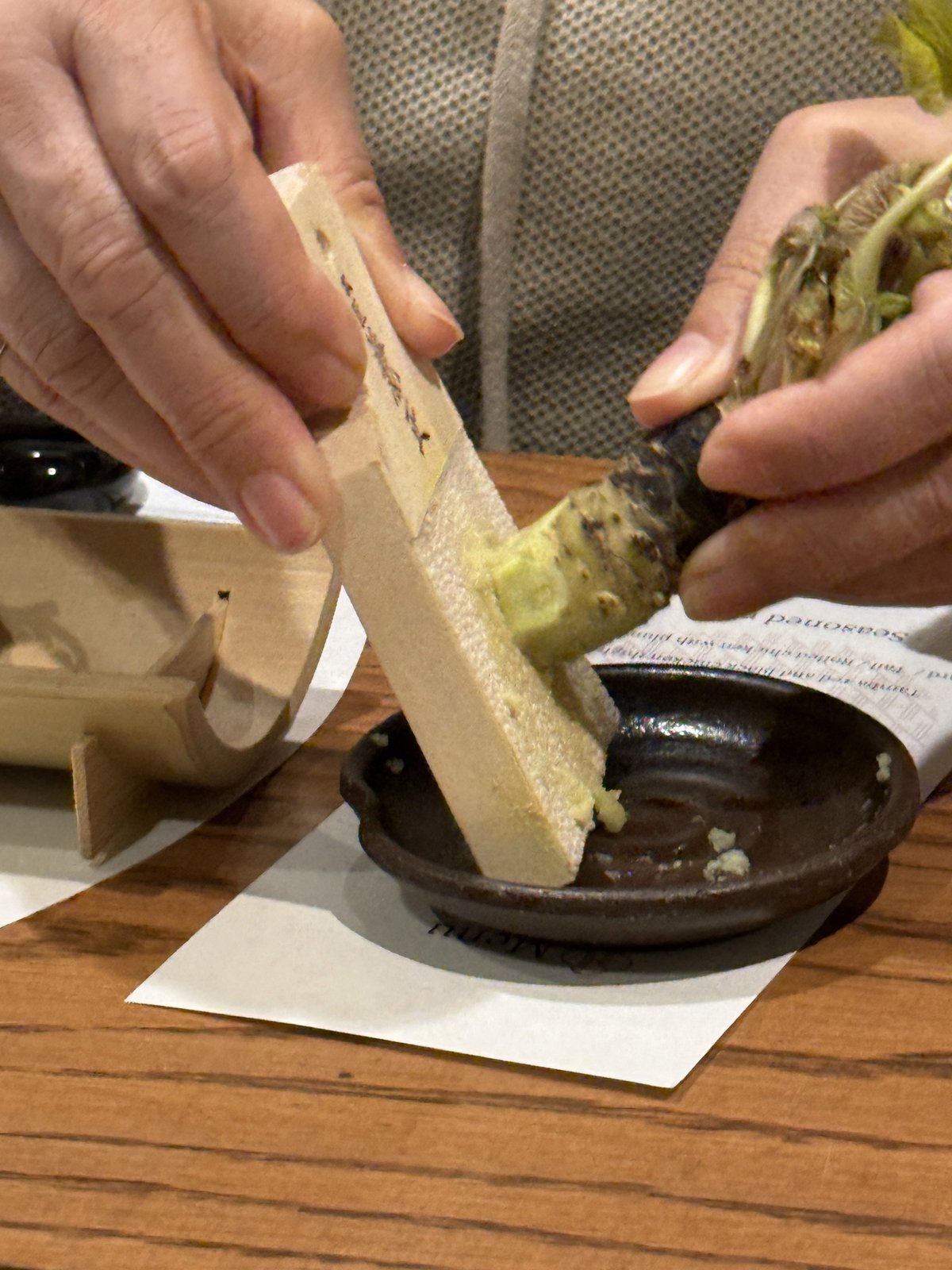
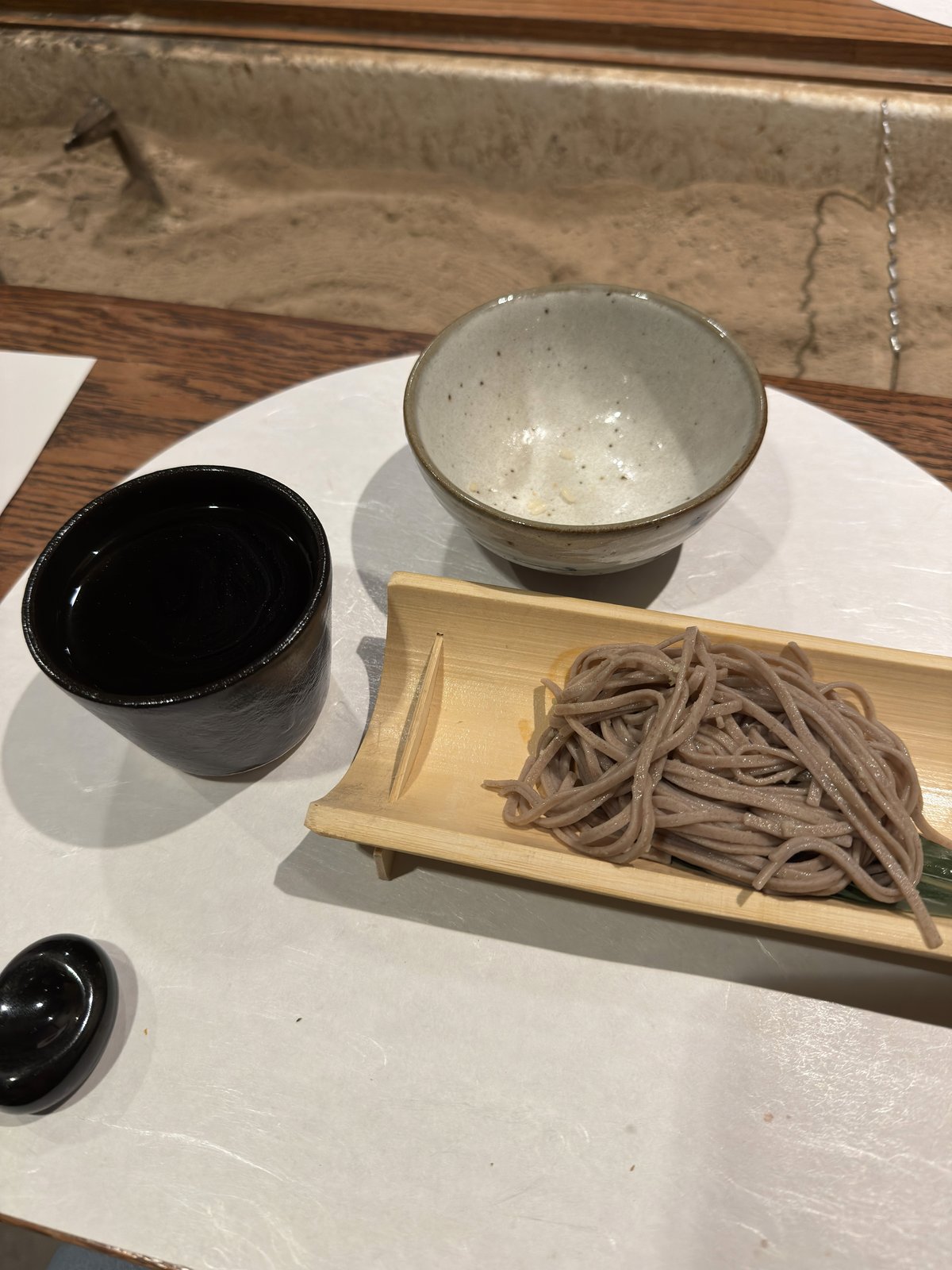
The conversation continued as we moved on to the soba noodle part of the course. By that point, the whole interaction felt more like a comedy skit in an izakaya. He asked if we liked udon or soba, clearly hoping someone would be on the same team as him (I was!). Then he tried to show us his favorite ramen place near Kyoto Station. But somehow, the Google Maps on his phone pulled up Arsenal in the UK, and we all went え?

Turns out he's going on an exchange program to the UK this summer, and as a soccer fan, he had been looking up different areas there. That accidental reveal led to more of his hopes—things he wants to do in New York City and California. He also shared his age (which isn't that common in Japan), and I started piecing together the bigger puzzle of Takeda-kun.

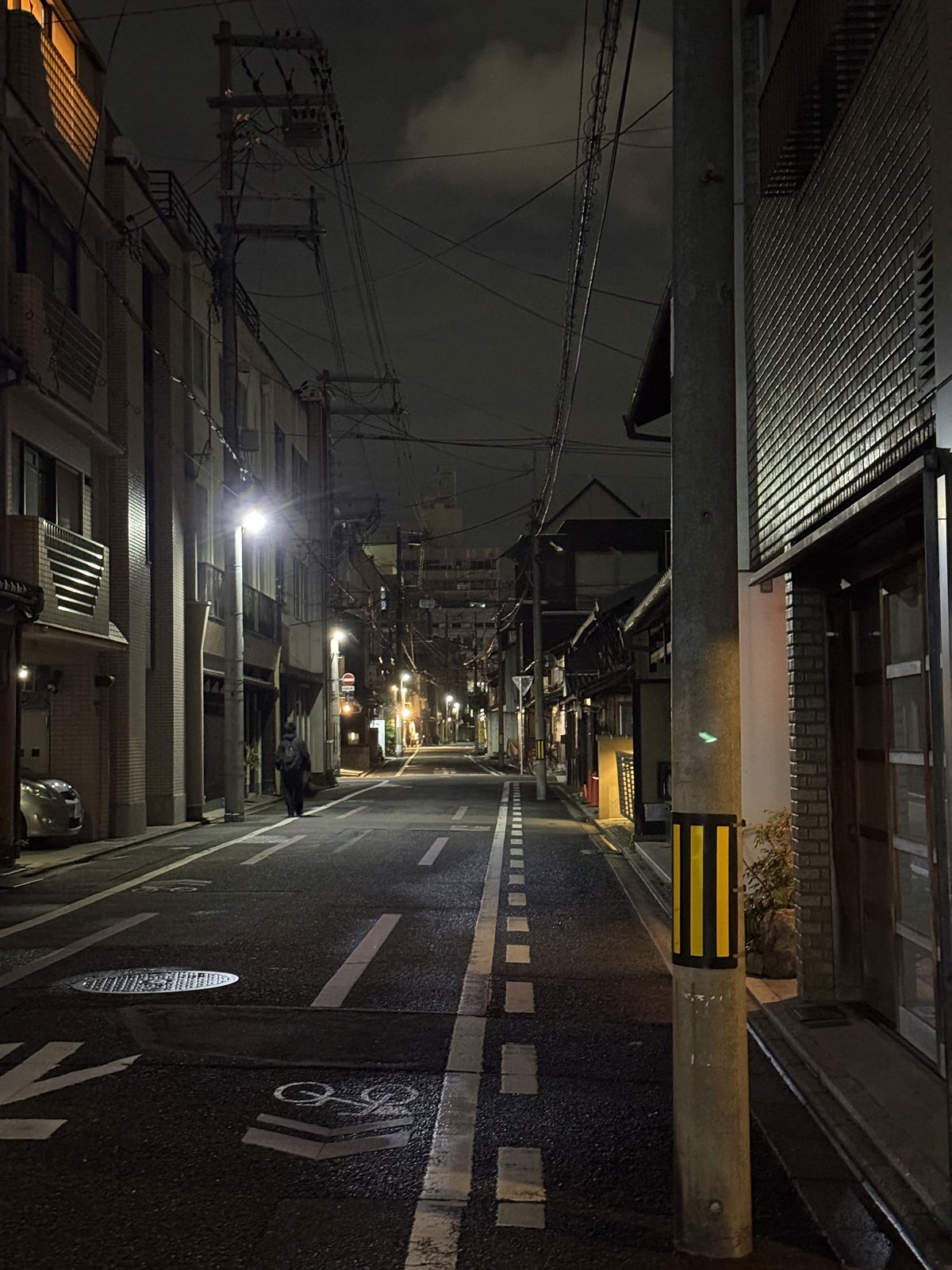
After learning a new way to eat soba with wasabi (mix it into the noodles, not the shoyu), the dinner came to an end. I had to step out for a walk to wrap my head around that whole interaction. I couldn't quite pin down whether that was just exceptional Japanese hospitality, a reflection of the ryokan's values, or simply a genuinely kind and open-minded guy making a connection. This ryokan, run by young entrepreneurs, clearly succeeds in bringing more of that into the world. Maybe it was a mix of all of those things. It left me inspired by the idea that you can contribute to making society feel more real and alive.

Evening in Kyoto

Navigating The Adventure

冒険をたどる

Bus 17

On our last full day in Kyoto, I had the whole day to myself. I wanted to go to Ohara, the town on the west side of Mt. Hiei, and had no other specific plans. Ever since arriving in Kyoto, I had caught glimpses here and there of real life and real people, but I still felt I hadn't had enough time to fully take it in. Ten days didn't feel like much when you're trying to understand and see Japan more deeply as you travel. I almost thought I wouldn't get a chance to go to Mt. Hiei or Ohara, but on that last morning, we decided to spend the day individually, and I chose to head there.

Ohara is at the last stop of Bus 17, tucked deep into the Mt. Hiei area. Some tourists go there for temples, along with the nearby town of Yase a few stops before, but overall it's a quieter place. Since I didn't rent a car, Ohara was the furthest I could go using public transportation. This region is known as a place where Japanese Buddhism found its meaning, or at least something close to that.

The bus ride was filled with locals, from elderly people to a young schoolgirl, and I found myself quietly taking in the peaceful old streets we passed through. Even now, I can't quite explain it, but it felt like I had come home—like I arrived at something I had been missing deep inside. After that sentimental ride, I got off. There was barely anything around but a small bus terminal, a narrow road, and just a few people. I slowly followed the path that led me along a stream and through trees toward two temples.

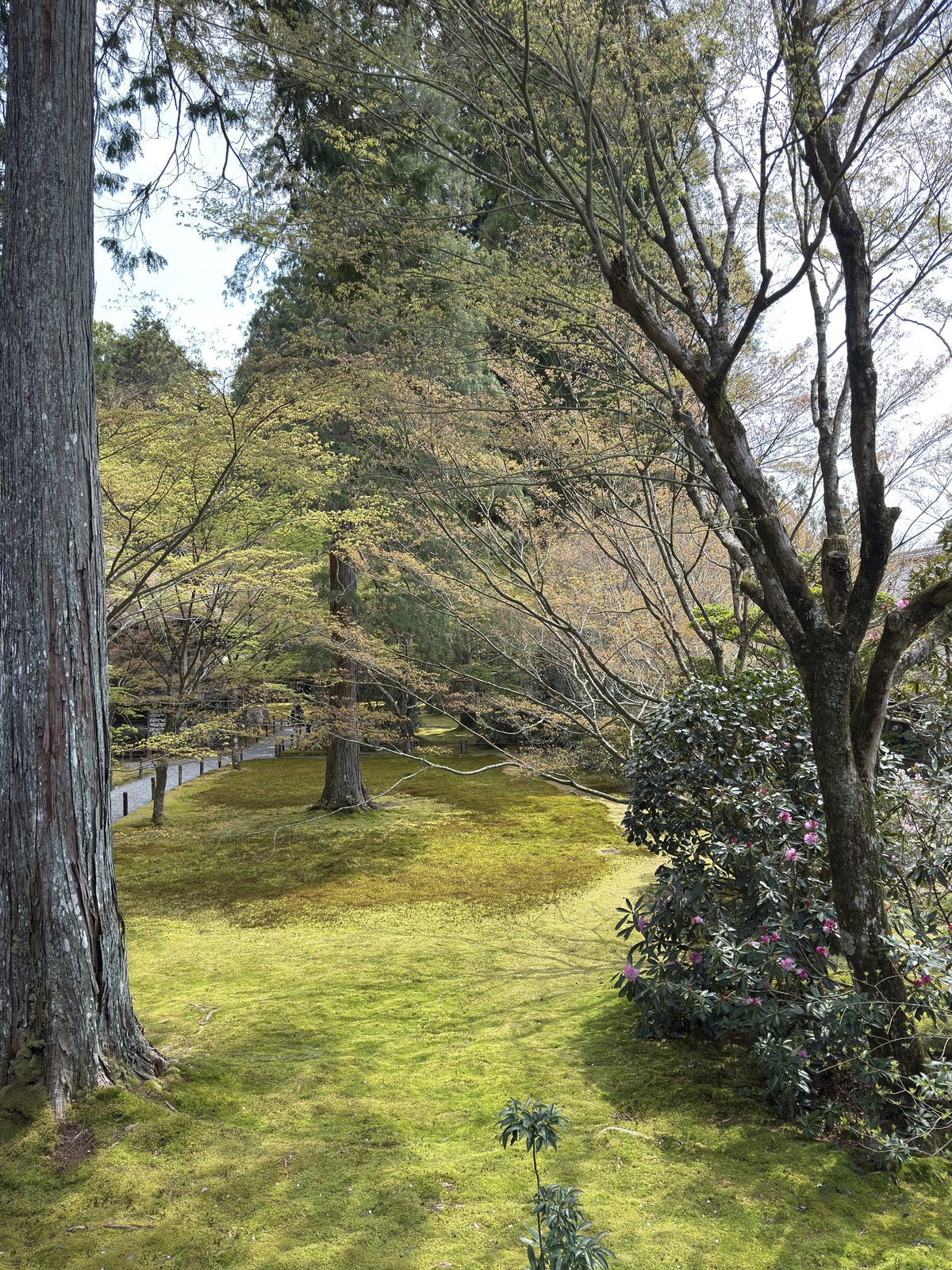
The first temple had a big open room overlooking a garden. I sat there with a bowl of matcha for—I don't even know how long. I paused all the thoughts about life and reality and just received what was in front of me, fully and as it was. Then I walked to the next temple, where I was greeted by a large hall and a forest garden behind it. The quietly powerful presence of the Buddha statues blended with the greenery in a way that felt completely whole. I couldn't think, I could only feel.

Temple garden
Temple interior
Forest path
Mountain view

Some time later, I made my way back and stepped into a little soba shop. With a heartwarming bowl of soba noodles, I boarded the bus again. It must've been the same route, but this time I noticed the view on the right—Mt. Hiei in full sight.

It took a month from that day for me to begin discovering what it truly meant—after days and weeks of remembering that afternoon. (My original memo says, "Even now, it's hard to put into words what that afternoon really was.") It wasn't just the mountain or the garden. It was a bus ride to a place where the clouds stepped aside to show me what I had been missing, and maybe what I had been searching for all along.

I had been a very goal-driven person for as long as I could remember. It often starts with a goal, but in the process of chasing it, the parts of you that made you who you are begin to fade. Who are you? Tasks, goals, achievements, and desire start to replace the way you define yourself. You either adapt to, accept, or fight against modern society, and end up reaching a point where you no longer recognize the purest version of yourself. What I had been missing wasn't a sense of direction—it was the question itself: who am I? Maybe what I had been looking for wasn't an answer, but a version of myself that reflects all the ups and downs, shaped by the journey I had taken.

And then, it's all up to how you take it. Everyone's visit to this area would be different. Was it the temples, the little roads, the trees? I think it was the bus ride. It was the state of mind I was in that allowed me to see it.

The Painting

There isn't a single explanation for what makes modern life feel soulless. But one thing I often notice is a chronic drought of inspiration. It's hard to feel inspired in a world so full of division, hyper-efficiency, obsession with money, eroded community, and widening inequality. It becomes difficult to pause and reflect on the ideals that live within us. And when life is packed with noise and distraction, we lose the space to breathe, to talk, to simply be.

I was lucky to have a moment in college when everything felt like a question, and every question lit a spark. But after graduation, I had to come back down to build something "sustainable." To find a job. To deliver value. Like everyone else, I ran that race. I made decent money. But something felt off. Was it the job? The system? The money? I'd always been drawn to technology for its power to connect people and turn creativity into something real. But somewhere along the way, the industry took a turn, and I found myself distanced from the very reasons I started.

My husband had his own questions about the race, too. More money, new jobs. It all felt like rearranging pieces within the same frame. I realized I didn't need a new idea. I needed inspiration.

Originally, our Japan trip was just a family trip—the first one since I became an American citizen. Food, sightseeing, time together. But with that quiet realization in the background, I gave myself a subtle goal: to find a new source of inspiration. I had once dreamed of living in Japan during college, so I knew there was something there, waiting. It's tempting to say things like "generational craftsmanship" or "Japanese hospitality" but those can become clichés. Even Japan isn't untouched by change. What matters isn't just the tradition, but the spirit behind it.

So I arrived with no big plan. Just a commitment to stay open and observant. It's easy to praise beauty and kindness in Japan as a tourist, but I came with eyes wide open. Cabbage shortages. Rice prices. Electricity so expensive that anime characters joke about using air conditioning. Outdated work cultures. Japan carries the same modern tensions just in its own way.

And yet, something began to stir.

It started as a flicker when I got off at Nippori Station after a 14-hour flight. Then came a tiny sushi place. Then another moment. And another. Each day brought a quiet sense of recognition.

It was the young entrepreneurs running the ryokan, the staff who took pride in their work (Takeda-kun!). The eccentric grandpa running a siphon coffee shop. The old house restored into a lunch spot. The humble breakfast places I loved. The Shinkansen cleaners. Each person brought something of themselves—a philosophy, a sincerity. The scale didn't matter. Their intent did. At some point, I found myself wondering, how do these places even work economically? But that lens - money, productivity - missed the point. These weren't just businesses. They were beliefs, painted in everyday life. And people noticed. Some supported it. Others were it.

What were all those?

They were all part of the greater painting of your life… of who you are. A belief in your own perspective.

Through the experiences and observations, I saw paths carved out to humbly echo a message into the world, and a quiet respect for sincerity and effort. And all of it led me to open myself up to the questions again:

What kind of person do I want to be?

Do I care about what ends up in the painting of my life?

Have I started forgetting who I once wanted to be?

Can I bring back the parts that have started fading?

Ideas can help you reach a goal, but inspiration is something else entirely. It's not about answers; it's about ideals that may never be fully reached, yet stay with you, quietly shaping who you are. That's what I discovered: questions that aren't meant to be answered, but lived with. They'll stay with me, guiding the steps ahead. And the painting of who I am may never be a perfect piece, but it will always be a place I return to; for direction, for remembrance, for inspiration.

Because inspiration comes from within. And from those who bring color to your world: your partner, your family, your friends, and the society you're a part of. These are the sparks that connect us, that help us live not just productively, but meaningfully.

It may be human nature to complain, to feel trapped within the structures of modern life. But believing that something beautiful persists, even in an ephemeral world, is what lights the way. That's what I'll carry forward.